Walk into any wet shaving forum and you will find two truths: everyone swears by a different brand of safety razor blades, and they are all right for their own face. The trick is finding what is right for yours. Your skin, your beard density, your technique, and even your lather dictate which blade turns your morning shave from routine to ritual. I have tested stacks of tuck boxes in different razors, from a Merkur 34C to a hyper-precise Henson Razor, and I have seen how the same blade can feel like silk in one handle and sandpaper in another. This guide steers you through that maze with practical judgment, not hype.
What blade sharpness really means
Sharpness is the headline claim in blade marketing, but it is only half of the experience. A very sharp edge, like a Feather, cuts at the slightest touch. That is ideal if your beard is wiry or you have a perfect angle and no pressure. On sensitive skin or with a heavy hand, that same edge can bite. Medium-sharp blades, such as Astra Superior Platinum or Gillette Platinum, forgive a bit of angle drift and work with a wider range of razors and soaps. Less sharp options, sometimes sold as “smooth” or “comfort” blades, can skim over tough patches rather than slice them cleanly. They protect skin but may demand more passes.
Coating matters too. Many double edge razor blades carry PTFE, chromium, or platinum coatings to reduce friction. Coated blades often feel smoother in the first shave and maintain their character for two to four shaves before tapering. Uncoated blades can start aggressive and mellow quickly, which some shavers enjoy because the edge feels “broken in” by the second pass of the first shave. None of this is marketing fluff. You feel it in the first strokes on your cheeks.
Your beard map is the starting point
The right blade for you depends on where your hair grows, how fast, and how thick. A barber once told me to shave the easy real estate first, then the tough neighborhoods. He was right. Most people have softer hair on the cheeks and tougher grain on the jawline and neck. If your beard is fine and grows in a single direction, nearly any blade in a mild safety razor will deliver comfort. If your whiskers are dense and coarse, like copper wire under the jaw, a sharper blade is often necessary to avoid tugging.
A simple test tells you more than any chart. After 24 to 36 hours of growth, stroke your stubble in every direction with a fingertip and note where you feel immediate resistance. That is against the grain. Mark a mental map and adjust your expectations: a blade that glides on the cheeks might chatter or skip under the jaw if it lacks bite. Better to choose sharpness for your toughest area and manage the easy parts with gentle pressure than to chase a one-size compromise that leaves you doing five passes and a prayer.
The other half of the equation: your razor’s geometry
Blade choice never lives in isolation. Your safety razor’s geometry sets the stage. A mild, well-controlled head like the Merkur 34C presents a relatively small blade gap and neutral exposure. It holds many blades well, but it can blunt the impact of a very gentle edge to the point of inefficiency on heavy beards. A rigid, precision-machined head like the Henson Razor clamps the blade close to the cutting edge to reduce flex and chatter. In my experience, this makes even sharp blades feel smoother and tames their tendency to bite. If you shave with a Henson Shaving model, especially the medium or aggressive variants, you can usually step up one notch in sharpness and still enjoy a calm face after.
Open comb designs, slants, and adjustable razors add more complexity. Slants slice rather than push through hair, which can make a mid-sharp blade feel sharper than it is. Adjustables can dial exposure up or down, letting you tune the blade to the day’s growth. Even a simple single blade razor like a Shavette or a straight razor rewrites the rules entirely because you control angle and pressure to a much higher degree. With a straight razor, sharpness is literally your honing, and skin feel is your stropping and touch. With a Shavette, blade choice should lean smoother because the format is less forgiving than a safety razor.
Skin sensitivity rules technique, technique rules blade
A blade that loves coarse hair can be cruel to reactive skin. If you get razor burn from disposable razors or multiblade cartridges, do not leap straight to the sharpest double edge razor blades and expect salvation. Start with a medium blade that has a reputation for smoothness. Pair it with a protective lather from a quality shaving soap, applied with a well-loaded shaving brush. Let the lather sit for a minute before the first pass. The hydration softens hair and cushions skin. Short strokes, light pressure, low angle. Pay attention to audible feedback. If the blade sounds high pitched and loud, increase slickness or lower the angle, not the pressure.
As your technique improves, you can experiment with sharper blades for efficiency. I learned this the hard way. Years ago, I tried Feathers in a Merkur 34C before I had my angle dialed in. The first pass felt surgical. The second pass painted my neck red. Six months later, with a better prep and a steadier hand, the same combo shaved cleanly and comfortably. The difference was not the blade. It was me.
Matching blades to common razor models
Shavers love specifics, so here are patterns I have seen repeat in real bathrooms, not just forums. The Merkur 34C pairs beautifully with a mid-range blade. Astra SP, Gillette Silver Blue, Personna Lab Blue, Nacet. You get a close shave without punishing feedback. If your beard is very coarse, step up to a sharper option like a Perma-Sharp or Feather but keep your lather slick and your pressure feather-light.
With a Henson Razor, the rigid clamping turns many sharp blades into kittens. In Henson Shaving Canada communities you will https://israelbkvx399.bearsfanteamshop.com/razor-burn-fixes-pre-shave-lather-and-post-shave-strategies see users report that even aggressive blades behave. I run a Feather or a Gillette Nacet in the Henson medium plate when I have two or three days of growth and want a one or two pass finish. On daily shaves, I drop to a smoother blade like a Gillette Platinum. The uniform edge exposure of the Henson helps reduce irritation at the corners of the mouth and under the jaw.
If you favor vintage-tech heads or modern clones with more blade exposure, choose smooth first. A crisp but coated blade keeps the head’s assertiveness from getting out of hand. If you use an open comb for heavy growth, a sharp blade removes bulk efficiently, then swap to a milder razor for finishing. It sounds fussy until you try it and notice how your skin feels at 5 p.m.

How long a blade lasts
Shavers stretch blades for five, seven, even ten shaves. I do not recommend chasing records. Most double edge razor blades give two to four good shaves before their behavior changes. Coatings wear, edges microchip, and smoothness fades. If you notice tugging at the start of the first pass, that blade is done for your beard, no matter what a friend can manage. Facial hair varies in hardness, and water mineral content changes the game. Hard water can reduce lather efficacy, which makes a blade feel dull sooner. If you travel, you might get fewer shaves out of the same brand in a different city.
This is one reason single blade razor formats are satisfying. You feel the edge. You are not masking dullness with extra cartridges or pivoting heads. Replace the blade early and you will avoid overbuffing and irritation. A tuck of ten often costs less than a coffee. Your face is worth starting a fresh one.
Smoothness vs efficiency is a sliding scale, not a verdict
People argue about whether a blade is “sharp but harsh” or “smooth but dull.” Usually, they are experiencing different setups. A smoother blade in a mild safety razor can require an extra pass. If you are patient and your skin tolerates additional strokes, that is a fair trade. If your neck flares up, a sharper edge that clears stubble in fewer passes will feel gentler overall despite its reputation. The goal is the fewest strokes with the least pressure that still beats shadow. For a heavy beard with sensitive skin, that often means sharp blade, slick soap, and disciplined technique.
Pre-shave and lather change the entire experience
You can make almost any blade behave with generous hydration. A hot shower or a three-minute face wash softens hair. A wet shaving brush loaded with a tallow or well-formulated vegan shaving soap cushions without clogging a safety razor. Face lathering lifts hair better than bowl lathering for some, especially in the neck hollows. If you must use an edge razor cartridge or a disposable razor when traveling, you will notice how much the lather matters, even more than the blade brand. In the double edge world, poor lather exposes the blade’s worst traits, while good lather unlocks its best.
I keep two soaps in rotation: one ultra-slick for sharp blades and one with more cushion for milder blades. The slick soap is like a racetrack, minimal resistance, great for Feathers or Perma-Sharps. The cushion soap is forgiving on days when I rushed prep. Try both styles and you will see why reviews can conflict.
Blade sampling without wasting money
Buying a 100-pack blind is a commitment. Sampling is smarter. Many vendors sell variety packs of safety razor blades, sometimes grouping them by sharpness. That is a start, but skin and beard are personal. Try four or five brands rather than twenty. In each, use at least two blades. Occasionally, you get a dud. Record simple notes after each shave: tugging on the first pass, smoothness on the second, post-shave feel, number of passes needed. The perfect blade gets out of the way and lets you focus on technique.
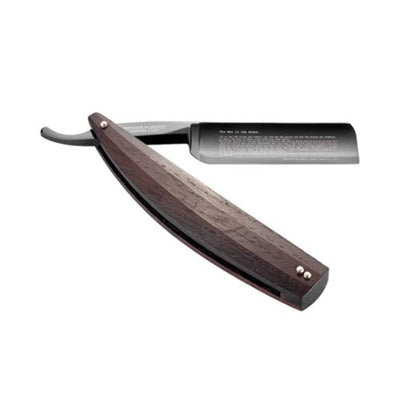
Here is a compact approach I give friends who ask for a plan when they pick up a Merkur 34C or a similar daily driver.
- Week 1: Gillette Platinum or Astra SP for a baseline. Focus on technique, two passes and touch-ups. Week 2: Nacet or Perma-Sharp to test sharpness tolerance. Keep prep consistent. Week 3: Personna Lab Blue or German Wilkinson for smoothness comparison. Week 4: Feather, only after the first three weeks. Use your slickest soap and minimum pressure.
Keep whichever two felt best and buy 50 to 100 of each. Prices shift, stocks change, but the blade that loves your skin rarely does you wrong when you return to it.
When to consider a different tool
Sometimes the blade is not the culprit. If you have a very coarse beard and mild razors leave patches no matter the blade, try a more efficient head rather than chasing ever sharper edges. Slant razors cut stubborn whiskers with less force. Open comb designs plow through multi-day growth. Conversely, if every shave leaves redness, consider a milder razor that clamps the blade with more stability. The Henson Shaving geometry is known for that stable feel, and many who struggled with irritation in other safety razors find peace there with mid-sharp blades.
If you want maximum control, a straight razor changes the relationship entirely. Honed correctly, a straight razor is keener and smoother than most disposable blades because you set the bevel and finish. That said, it demands practice, stropping discipline, and patience. A Shavette uses half of a double edge blade and exposes more edge with less support. It is convenient and hygienic for barbers, but it punishes heavy hands. If you are tempted by open blade shaving, start with professional guidance or take it slowly on weekends.
Travel and maintenance details that matter
A blade that performs at home can misbehave on the road. Different water, rushed prep, and unfamiliar mirrors change outcomes. Pack a known-good blade brand along with a small stick of shaving soap and a travel-size aftershave balm. If you use a Henson Razor or a Merkur 34C, both handle travel well. Tuck a few double edge razor blades in a checked bag, not carry-on. At your destination, palm-strop the blade lightly before the first shave if you picked an uncoated brand. It is a gentle habit that can smooth the first strokes.
Rinse the razor under hot water after each pass to clear lather and hair. Do not tap the edge on the sink. That chips the micro-bevel. After the shave, open the head, rinse the blade, and pat the razor dry. Leaves the blade in the razor if you will shave again within two days. If not, remove it and dry both. Rust is rare with stainless blades, but water spots and soap scum dull performance. A quick toothbrush scrub of the head once a week keeps everything honest.
How cartridge and disposable habits carry over
If you come from a disposable razor habit, you have probably been using pressure to make dull cartridges cut close. Drop that muscle memory. Safety razors work with gravity and angle. Let the cap lead, then roll to the edge until you feel hair catch. Once you find that angle, hold it. Do not chase baby-smooth on the first attempt. The best blade for you will feel nearly automatic on the cheeks and not demand heroics on the neck.
If you used a pivoting edge razor, you might miss the automatic angle. The upside now is that you choose the blade and the angle, and you keep your skin happier with fewer cutting edges scraping each pass. A single blade razor is kinder to skin because each hair is cut once, not lifted and re-cut. When the blade is right, you finish with fewer passes and a calmer face.
Real-world comparisons you can feel
I keep three combinations that cover almost any day. On a Monday with a day’s growth and meetings stacked, I pick a Henson medium with a Gillette Platinum. The shave is quiet, two passes, and I forget about it. If I have ignored the razor since Thursday, I grab an open comb with a Perma-Sharp. The first pass mows, the second pass polishes, and I step away without sanding my neck. For daily maintenance during busy travel, the Merkur 34C with an Astra SP is my default. It is honest, predictable, and forgiving if the hotel mirror lighting is bad.
Friends with lighter beards report different winners. One swears by a German Wilkinson in a vintage Tech. Another, with glassy skin that reddens at a whisper, runs a Personna Lab Blue in a Henson mild, paired with a cushion-heavy shaving soap. The common thread is not brand loyalty, it is matching blade character to skin, beard, and razor geometry.
A brief word on price and availability
The wet shaving world shifts. A blade you loved can change slightly if the factory changes steel batches or coatings. It is rare, but it happens. Prices also fluctuate. That is why I recommend keeping two reliable favorites rather than one. If a tuck of your first choice disappears or doubles in price, you have a fallback ready. Bulk buys of 100 blades can make sense once you are certain. Stored in a dry drawer, they stay stable for years.
If you are in Canada, you will find Henson Shaving Canada distribution makes their razors easy to obtain, and local shops stock mainstream safety razor blades alongside shaving soap and brushes. Specialty brands and limited runs may require online orders. Avoid gray-market bargains that look too cheap. Counterfeit razor blades exist, and they shave poorly.
A simple troubleshooting ladder
Shaves that start well and end with irritation usually share a cause: too many strokes for the efficiency of the blade and razor combo. Before you swap everything, climb this short ladder.
- Improve prep for one week: longer hydration, better lather, lighter pressure. If comfort improves, the blade is fine. If tugging persists on the first pass, try a sharper blade in the same razor. If post-shave burn increases, step back one notch in sharpness but use a slicker soap. If you need four passes to get close, keep the blade and try a more efficient razor head. If redness follows, return to the original razor with the sharper blade.
Repeat only one variable change at a time. Consistency reveals the truth quickly.
Final perspective: the blade should disappear
The right safety razor blade does not demand your attention. It lets you work while you think about the day ahead. Whether you reach for a Merkur 34C or a Henson Razor, whether your drawer holds Feather or Personna, the goal is the same: a fast, calm, close shave that respects your skin. Build from your beard map, choose a blade that clears the toughest patch without punishment, and match it to a razor that stabilizes the edge the way you like. Add good lather and patience. The rest, including brand debates and rankings, fades into the background like a well-honed straight razor gliding on a good strop.