Henson Shaving built its reputation by taking aerospace machining tolerances and applying them to a humble grooming tool. The result is a safety razor with uncommon stability and predictability. If you live in Canada, you have a distinct advantage: Henson is Canadian, and local availability, pricing, and service tend to be strong. This guide walks through where to buy a Henson razor in Canada, how to choose among models, what to expect with blades and maintenance, and when it makes sense to consider alternatives like a Merkur 34C, a Shavette, or even a straight razor. I have shaved with Henson razors since the first AL13 run, and the advice here reflects real miles on the odometer, not a showroom spin.
What sets Henson apart
Most double edge razor makers tweak the basics. Henson redesigned the geometry. The head clamps the double edge razor blades with very little exposure and minimal blade flex. That geometry does two things. It makes the shave feel secure, particularly for newcomers to a single blade razor, and it tolerates a wider range of technique without biting you for a small mistake. Where some mild safety razors feel vague, the Henson gives tactile feedback without chatter.
The machining quality is high, even on the anodized aluminum models. Threads engage cleanly. Surfaces meet flush. The razor aligns blades consistently without fidgeting. If you have used a vintage three‑piece where the blade sits a hair off square, that won’t happen here. The company leans into aerospace machining language because it applies. They actually run these parts on serious equipment, then anodize or finish to a standard that lasts.
You will find different levels of aggression among the AL13 and Ti22 lines. Henson labels them Mild, Medium, and Aggressive. In real use, the Mild is quite gentle but efficient on short stubble, the Medium handles two to three days growth without drama, and the Aggressive is still controlled compared to aggressive razors from other brands, yet can overshave tender skin if you chase baby‑smooth in too many passes.
Buying Henson in Canada: direct and retail
The most straightforward option is Henson Shaving’s own Canadian website. You avoid currency conversion and cross‑border shipping delays, and the company often bundles razor blades with new razors. Shipping within Canada is typically quick, often landing within a week depending on province and carrier. Prices on the site are in Canadian dollars, and warranty support is direct.
You also have Canadian specialty retailers that carry Henson razors and accessories. Stock varies, but many of the better shaving shops in Toronto, Montreal, Vancouver, Calgary, and Ottawa keep the AL13 Mild and Medium in regular rotation. Some also stock the Ti22 and the Aggressive plates, although titanium inventory tends to move in cycles. If you want to feel the razor in hand before buying, these stores matter. They can also pair you with the right safety razor blades for your beard density.
Big‑box options shift. Some national chains occasionally list the AL13 online and in select stores, yet selection is inconsistent. If you see a colour you like, grab it, because Henson anodizing runs are seasonal and a given shade can disappear for months.
As for price anchoring, expect the AL13 in Canada to sit within the mid to upper range for aluminum razors, reflecting the machining and finish. The Ti22 commands a meaningful premium. Don’t overpay on a grey‑market listing that adds a heavy markup; buy from Henson or an authorized Canadian retailer to keep warranty coverage clean.
Choosing the right Henson model
When you choose a safety razor, you match blade feel, efficiency, and your skin’s tolerance. Henson simplifies this by offering three levels within each material.
AL13 Mild suits daily shavers, especially those new to a safety razor. If you are turning in a disposable razor because your neck is a minefield of ingrowns, the Mild can be transformative. I have coached beginners who gained confidence after two shaves, thanks to the low blade exposure and secure clamping.

AL13 Medium works for most men with average beard density who shave every other day, plus women shaving legs or underarms who want fewer passes. The Medium feels almost as calm as the Mild but finishes a touch faster when whiskers are stiff.
AL13 Aggressive is for thick, wiry beards, or for those who like to do a single efficient pass with minimal cleanup. The head still controls the blade tightly, so it does not feel like a traditional aggressive design, but respect the edge and mind your pressure.
Ti22 mirrors the same geometry in titanium. The weight difference is subtle compared to stainless razors but noticeable next to aluminum. Titanium adds durability and a slightly different face feel. The Ti22 Mild and Medium shave very similarly to their AL13 counterparts, but the head’s extra mass can help the blade glide with less user‑applied pressure. If you appreciate heirloom gear, the Ti22 justifies its cost. If value and performance per dollar drive your decision, the AL13 already nails it.
Colour choices are not just vanity. Anodizing provides a durable surface on aluminum that resists scratches and chips better than painted finishes on cheap safety razors. If you like muted tones, look for matte greys, navy, or black; if you want a pop, the seasonal colours sell quickly.
Blades: what to pair with a Henson
Blade selection matters more with a rigidly clamped head, because the razor exposes each blade’s personality. The Henson geometry smooths sharp blades and stabilizes thin ones, but you still need to match blade and beard.
Start with a known middle ground. Astra Superior Platinum, Gillette Silver Blue, and Personna Lab Blue are common benchmarks. Many Canadian retailers sell sampler packs with 6 to 10 varieties of double edge razor blades, and that is a good buy for the first month.
If your beard is soft or fine, a forgiving blade like Derby Premium or Dorco Prime can keep the feel plush. If your beard is coarse, something sharper like Feather or Nacet can be sublime in the Medium or Aggressive plates. In the Mild plate, Feathers work, but keep your touch light and stick to two passes while you learn.
Here is the pattern I see most: a Henson Medium with a mid‑sharp blade like Gillette Platinum gives a close shave in two passes on a two‑day beard with almost no alum sting. The same setup with a very sharp blade reduces passes but requires discipline on the neck. https://lukasuwsz086.wpsuo.com/stropping-and-honing-a-straight-razor-a-practical-guide Use that as a reference, then tune up or down.
Replace blades early. Three to five face shaves is a practical range for most double edge razor blades. Leg shaving or head shaving can shorten that window because more surface area dulls the edge sooner. If tugs appear, stop and swap. The razor deserves a sharp edge.
Technique with the Henson: angle, pressure, and passes
Henson heads like a shallow angle. Hold the cap almost flat to your skin, then drop the handle slightly until you feel the edge engage. The sweet spot is narrow compared to some vintage razors, which is part of why the shave feels neat and precise. Once you feel it, muscle memory takes over.
Pressure is minimal. The AL13 is light, so let the head guide the edge rather than pressing the handle. The Ti22 provides a bit more natural momentum; still, keep your touch as light as a fountain pen nib on paper. If you see redness after the first pass, lighten up, relather, and shorten your strokes.
Pass count depends on your goals. A with‑the‑grain pass removes the bulk. A second pass across the grain usually delivers a socially smooth finish. Against the grain is optional and face‑dependent. On a Henson Medium, I reserve against the grain for special occasions or for areas like the cheeks where hair grows predictably. On necks with swirls, two gentle passes and targeted cleanup prevent irritation.
Shaving soap matters. A slick, stable lather cushions the shallow angle. I like Canadian and European tallow soaps for face shaves and a vegetal base with high glycerin for legs and underarms, but the label matters less than the lather you build. Load more product than you think you need, add water gradually, and use a good shaving brush to paint and then lightly scrub the lather into the grain.
The cost picture in Canada
A Henson AL13 costs more than an entry disposable razor, yet the economics shift once you start buying razor blades in bulk. Double edge blades in Canada range from roughly 15 to 40 cents per blade when bought by the hundred, with a few premium offerings running higher. At three shaves per blade, you are paying pennies per shave. The aluminum razor can last years with basic care. The Ti22 stretches to decades if you avoid drops on tile.
Contrast that with cartridge systems or a disposable razor habit. Even a modest cartridge pack can cross $3 to $5 per cartridge, and many people tolerate dull cartridges longer than they should because of cost. The Henson moves the expense from the handle to the blades and replaces big refills with a thin pack of double edge razor blades. That is part of why safety razors have seen a renaissance in Canada: low ongoing cost, less plastic, and better skin outcomes.

Where Henson fits among other razors
If you already own a Merkur 34C, you know the benchmark for a comfortable, mild safety razor. The 34C has more blade feel than a Henson Mild but feels slightly smoother than the Henson Medium to some users. Its head geometry differs, and it tolerates less shallow angles. The Merkur’s weight and short handle suit face shaves well. Switching to a Henson feels like moving to a tighter instrument: less flex, a narrower angle window, more predictability at light pressure.
A Shavette sits at the other end. It is a single edge razor blade in a straight‑razor format with no guard. You get a direct edge on the skin and excellent detailing around a beard line, but the learning curve is steep. If you chase that barber‑finish without investing in stropping and honing, a Shavette is a practical compromise, yet you trade away the Henson’s forgiveness. For most daily shavers, a Henson or a similar safety razor pairs close results with a calmer routine.
A straight razor is its own hobby. The ritual and craftsmanship draw many people in, and a well‑honed blade gives a luxurious shave. The maintenance, honing stones, and stropping add time and cost. If you crave minimalism with zero disposable waste, a straight razor can be rewarding. If you simply want a no‑nonsense shave that punches above the time you put in, the Henson remains the practical choice.
As for multi‑blade cartridges or an edge razor with five blades, the Henson’s single blade razor avoids the lift‑and‑cut effect that can aggravate ingrowns on curly hair. Many users with sensitive necks move from a disposable razor to a Henson and see fewer ingrowns within a week. If you travel, cartridges are convenient, yet a Henson and a small tuck of double edge razor blades pack flat in a dopp kit and skip the bulk.
Maintenance, troubleshooting, and longevity
The head design leaves little room for gunk, but soap film builds up. Rinse the razor under hot water after each pass. At the end, open the head, rinse the double edge razor blades and plates, and shake dry. Every few weeks, soak the head in a warm water and dish soap bath, then use a soft toothbrush to clear the threads and the underside of the cap. Avoid harsh chemicals or metal polishes on anodized aluminum, which can dull the finish. On titanium, a light wipe with rubbing alcohol removes oils without harm.
If you notice a drop in smoothness, check three things. First, the blade may be dull. Swap it. Second, verify the head is tightened fully. The Henson tolerances depend on full clamping; a quarter turn loose changes the feel. Third, rework your angle. Place the cap flat, then adjust until the edge sings. On tough hair, hydrate longer and use a slicker shaving soap. Technique fixes most issues.
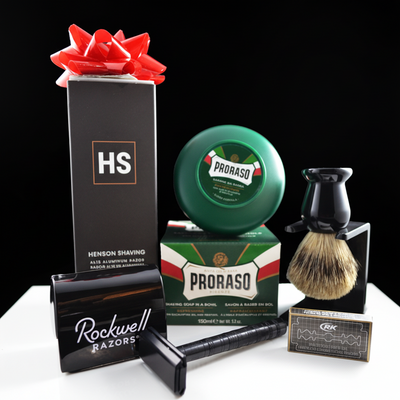
Corrosion is rare with stainless blades in a dry bathroom, but don’t leave a wet razor blades pack in a steamy cabinet. If you head shave in the shower, bring the razor out and dry it. Anodized aluminum resists staining, yet hard water can leave mineral spots. Vinegar cuts the film, but rinse thoroughly and do not soak aluminum in strong acids.
Skin types and special cases
If your skin is reactive, the Mild plate with a smooth blade keeps inflammation down. Use lukewarm water, not hot, and shave after a shower or a two‑minute warm towel. Avoid alcohol aftershaves on red days. A fragrance‑free balm calms the skin far better than a splash.
If you have thick growth under the jaw, map the grain. The Henson excels when you move with, then across, not guessing against. I ask clients to run fingers in all directions and note where it feels smooth or rough. Draw an actual map on a sticky note for the first week. The Henson’s tight geometry rewards a planned pass pattern.
For women shaving legs, the Mild or Medium with a longer handle length can feel more secure. Use more water and a higher volume lather. Long strokes help on the thigh, short strokes around the knee and ankle. Replace blades a bit more frequently due to the larger surface area. If you also trim body hair elsewhere, consider a separate razor head to keep facial and body routines distinct.
If you have curly hair and deal with ingrowns, the Henson paired with a single pass plus cleanup reduces issues. Exfoliate gently two or three times per week with a soft scrub or a washcloth. After shaving, apply an unscented salicylic acid toner at low strength. It keeps follicles clear without irritating the skin.
Accessories that matter, and a few that do not
A good shaving brush amplifies the Henson’s strengths. It hydrates whiskers and lays a slick film under the lather. Synthetic brushes have improved so much that they are often my first recommendation: quick drying, low maintenance, and plenty of backbone to load hard pucks. Badger and boar feel great, but synthetics are reliable and affordable in Canada.
Shaving soap choice affects glide, cushion, and post‑shave feel. If you prefer a cream, Canadian retailers stock excellent options from European makers and homegrown artisans. Try a couple small tubs rather than committing to a single large puck. Face feel can change with water hardness.
A simple stand keeps the razor off the counter and away from accidental knocks. It is not required, yet it does protect the finish and dries the handle after a shower. A travel case matters if you toss your dopp kit into a gym bag. The Henson head is compact and travels well with a plastic blade bank and a small tuck of blades.
What does not matter much: pre‑shave oils for most people. If your lather is sound, you get all the glide you need. If you enjoy the ritual and it helps, use a light oil; avoid slathering, which can create a slick film that inhibits lather from sticking to the skin.
Environmental angle and waste reduction
A single blade razor produces far less waste than multi‑blade cartridges or a disposable razor. Spent blades go into a blade bank, then into metal recycling where accepted in Canada. Check local guidance. Some municipalities accept sealed blade tins as scrap metal, others ask that you dispose of them as sharps in a pharmacy program. Either way, you are not tossing plastic cartridges. The AL13 uses very little material and lasts, and the Ti22, barring major damage, can outlive its owner.
Soap packaging from artisan makers often arrives in recyclable tubs or paper boxes. Brushes last for years. The entire ecosystem trends toward durable gear rather than consumables, which fits a lot of Canadian households trying to cut down on plastic.
When Henson is not the right tool
If you like heavy razors with strong blade feel, a stainless steel razor with an open comb or a classic like the Merkur 34C may please you more. Henson’s head favors a precise, gentle approach. If you want audible feedback and a looser angle window, other designs have their charm.
If your beard is extremely dense and you shave once a week, a Henson Aggressive can clear it, but you may find a slant razor or an open comb more efficient for a single pass mow. You could also do a pre‑clip with a trimmer, then use the Henson Medium for the finish. That combination protects sensitive skin.
If you want to shape a beard line with surgical accuracy, a Shavette or a straight razor gives a clearer edge view. The Henson head is compact, but nothing beats a single exposed edge for line work. Keep a Shavette in the drawer for those days and the Henson for everything else.
Practical buying checklist for Canadians
- Start with AL13 Mild for sensitive skin or daily shaves, Medium for average beards or every‑other‑day shaves, Aggressive only if you already like higher efficiency. Buy from Henson’s Canadian site or an authorized retailer to keep prices in CAD and warranty straightforward. Add a sampler of double edge razor blades and plan to test three or four brands over two weeks. Pick a reliable shaving soap and a synthetic shaving brush; do not skip the brush if you want the Henson geometry to shine. Get a simple blade bank for spent razor blades and learn your municipality’s disposal rules.
Final notes from the sink
If you have been disappointed by hype in the shaving space, the Henson is a rare case where the marketing aligns with the shave. It favors skillful light hands, rewards good lather, and tames problem areas that cartridge stacks inflame. In Canada you can buy it easily, support a domestic manufacturer, and keep your ongoing cost low with widely available double edge razor blades. If you prefer more weight or a looser feel, there are excellent alternatives like the Merkur 34C or a well‑made stainless slant. For most people though, especially those escaping ingrowns from an edge razor cartridge or a disposable razor, a Henson Mild or Medium paired with the right blade and a decent soap will deliver close, calm shaves day after day. That steadiness is what earns a permanent spot in the cabinet.