Walk down any drugstore aisle and you can feel the bloat of modern shaving. Plastic handles with names that sound like energy drinks, lubricating strips that peel off after a week, cartridges priced like designer ink. Under all that marketing sits a simple job: present a sharp edge to hair at a controlled angle while not tearing up skin. That is why the Henson razor has people talking. It does not look like a revolution, but it behaves like one. And if you have shaved with a safety razor for any length of time, the differences are not hype, they are geometry.
From aerospace to the sink
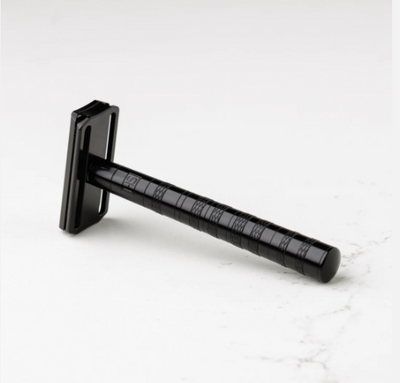
Henson Shaving did not start as a legacy razor brand. The company’s roots are in aerospace machining. That shows in the head design, the material choices, and the way tolerances are described in microns, not marketing adjectives. Most safety razors, even good ones, rely on pressure from the top cap and baseplate to hold a double edge razor blade with some play. That play is part of the learning curve. You ride the cap, adjust the angle, and the blade finds the hair. The Henson flips the script. It fixes the blade angle and exposure with a clamp that runs close to the edge, then adds a long, flat runway in front of the edge to stabilize against skin. It feels less like balancing a scalpel and more like using a tiny plane with training wheels that do not get in the way.
I came to the Henson after a decade of rotating through classics. A Merkur 34C for travel, a stainless Game Changer for days when I wanted more bite, a Shavette when I felt brave, and an old straight razor that I honed for the satisfaction as much as the shave. The first time I used the Henson, I overshot my normal number of passes because I kept waiting for the blade to announce itself. It never did. My skin announced the result the next day: no lingering irritation on the neck, no dots of post-shave sting.
What “mild” means when tolerances are tight
“Mild” as a label can be misleading. A disposable razor can be mild because it is dull. The Henson is mild because of the geometry. It has very little blade exposure and a shallow angle baked into the head. That combination resists the two bad habits that cause most irritation: pressing and scraping. Pressing does nothing. Scraping is hard to do because the guard and top cap encourage a shallow sweep. That is why beginners often get a good shave on day one, and why veterans who thought mild meant inefficient are surprised.
Efficiency still matters. Coarse beards, especially with significant growth, test any safety razor. The Henson’s trick is rigidity. By clamping the double edge razor blade close to the cutting edge, chatter drops. Less chatter means a smoother cut across multi-directional stubble. On a three-day growth, the Henson Medium knocked it down with two passes and a quick touch-up on the chin. My older Merkur 34C needed a bit more buffing and rewarded impatience with a weeper under the jaw. That is not a knock on the 34C, which remains one of the best all-rounders, only https://privatebin.net/?ce7edf93d38dc058#6kfFyUFqaJNpczQYo3qHjbN62wP6eTjxghy4ykTrpTcA a note that rigidity can change how a “mild” head behaves in heavy hair.
Cartridge convenience, single blade skin
A single blade razor has always had one unassailable argument: fewer blades means less cumulative trauma. Cartridges attack the same patch of skin with each blade in sequence. That lifts, cuts, lifts, cuts, and inevitably over-exfoliates. A safety razor strikes once per pass. You control the number of strikes. If you have struggled with ingrowns or razor bumps, especially along the jawline or on the neck where hair grows flat, moving to a single edge pass can change the game.
The Henson leans into that logic. It gives you cartridge-like repeatability with double edge razor blades that cost cents. You can load a Feather for surgical sharpness or a smoother Astra or Personna if your skin appreciates a gentler feel. For most shavers, the blade cost drops by 80 to 90 percent compared to branded cartridges. You also remove a lot of plastic from the trash. That is not an abstract eco pitch. An aluminum Henson with a year of safety razor blades fits in a sandwich bag. A year of five-blade cartridges looks like a snack drawer.
The Canada factor and why sourcing matters
Henson Shaving Canada builds the aluminum models in aerospace-grade aluminum and the heavier variants in titanium. The machining quality shows in how the cap threads engage, the evenness of the anodizing, and the absence of blade rattle. People nitpick finish on forums. I look at how the razor behaves after six months in a humid cabinet. The anodized aluminum resists corrosion, and the threads do not gall if you respect them. I once cross-threaded a cheaper zinc-alloy handle in a hotel with steam billowing and time short. The Henson’s threads align cleanly, so even when I am in a hurry, it snugs up without drama.
If you prefer a heavier hand, the titanium edition adds weight without compromising that tight clamping. Weight is often misunderstood. Hefty razors feel authoritative, which can help you avoid pressing. Lighter razors force better technique because you cannot lean on mass. With the Henson, both paths work because the head angle keeps you honest. If you commute or travel, the aluminum version saves grams and survives knocks that would crease a plated zamak head.
How it compares to the classics and the cult favorites
Merkur 34C: The 34C is the Toyota Corolla of safety razors. Reliable, easy to recommend, spares everywhere. It has a slightly more neutral angle and a touch more blade feel than the Henson Mild. If you like a bit of feedback through your fingers, the 34C delivers it. On sensitive skin, especially with daily shaving, the Henson may leave fewer hot spots.
Adjustables like the Progress or a vintage Gillette: Adjustables let you tune aggression. They also add variables. On a Monday morning, variables can be a gift or a burden. The Henson opts out and says, here is the angle, focus on prep and stroke. I keep an adjustable for mood shaves. The Henson is for when I want a clean result with no surprises.
Stainless steel boutique razors: Many modern stainless options clamp blades well, too. Some shave as smoothly. The difference is that Henson baked in a very specific approach angle and guard plane that enforces consistency. Boutique razors sometimes encourage exploration: steep vs shallow, ride the cap vs ride the guard. The Henson is more prescriptive, and for a lot of faces that is a feature.
Shavette and straight razor: A straight razor and a Shavette both reward skill with incredible closeness and an odd sense of calm. They also demand time and attention. If you like the ceremony, keep them in rotation. If you want 90 percent of that skin kindness with 10 percent of the risk, the Henson paired with a sharp blade and good shaving soap gets you there most days.
Disposable razor: They trade money for convenience, and the results vary with the batch. If you shave once every two weeks, a disposable might be fine. If you shave three to five times a week, the economics and the quality swing back toward a safety razor. The Henson stands out because it does not require you to relearn your angle every day.
Blades, brushes, and the stuff that actually matters
You can ruin a great razor with poor prep. The Henson is forgiving, but not magic. Hydration is the single biggest upgrade most shavers ignore. I shower first or at least rinse with warm water for thirty to sixty seconds. A decent shaving brush, even a simple synthetic, lifts and loads the lather into the roots. Shaving soap beats canned foam in slickness and cushion, which matters when you run a rigid edge across a jaw with mixed grain. If you like creams, go for it, but watch residual slickness. The Henson likes glide.
Blade choice is less mystic than it seems. Start with a middle-of-the-road option, something like Astra Green or Gillette Platinum. If your hair is wiry and your skin robust, test a Feather or a Nacet. If you get post-shave sting on the neck, back off to a smoother edge like a Derby Premium or Personna Lab Blue. The nice part about safety razor blades is experimentation costs pocket change, not a dinner out.
As for angle, the Henson teaches it. Lay the head flat on the skin, then tip just enough to engage hair. You will hear the cut. Let that faint feedback guide your stroke. Short strokes on the tricky spots, longer on the cheeks where grain is consistent. Rinse often. The runway in front of the blade clears lather well, but do not try to shave with a clogged edge.
Technique adjustments when moving from cartridge to Henson
People coming from cartridge systems often press to feel contact. With the Henson, lighten up more than you think. You are aiming for a skimming motion, not a scoop. The built-in angle allows you to keep the handle slightly farther from your face compared to a Merkur 34C. If you are chasing a baby-smooth finish, map your grain. First pass with the grain, second across, and only go against the grain where your skin tolerates it. For me, the lower neck gets two gentle passes and then a rinse. The chin and upper lip can take a careful third pass with a sharper blade. That is the balance the Henson makes easy: you can shave a little less aggressively and still end up with a clean, professional result.
Post-shave matters more than aftershave burn. Rinse cold. Pat dry. If you use alum, let it sit thirty seconds and rinse again to avoid tightness. A simple unscented balm does more for your skin barrier than a strong splash. Reserve the splash for days when you want the scent.
What about the “too mild” critique?
Every razor with a fixed mild geometry gets the same complaint from some corners: great daily driver, lacks efficiency for dense growth. There is truth in that if you expect a one-pass miracle on a five-day beard. The Henson’s rigidity reduces the penalty for a second pass. If I have skipped shaving for several days, I will either start with a with-the-grain pass using a sharper blade or I will run a quick trim with an electric on the longest areas before picking up the Henson. On two days of growth, the Henson Medium or the more assertive variant handles it cleanly in two passes without the shadow that milder razors sometimes leave around the mouth.
A second concern you will hear is that the shallow angle can struggle around tight curves, under the nose, and along an angular jaw. The narrow head helps here. Ride the cap under the nostrils, use a diagonal stroke along the jaw, and it slots in. Compared to some bulkier safety razors, the Henson sneaks under the nostril easily. It is not as nimble as a Shavette for line work on a beard edge, but it is good enough for maintenance between barber visits.
Cost, availability, and the long view
Razor blades for a double edge razor cost somewhere between 10 and 35 cents each in bulk. You can find assortments online, or at specialty shops that also deal in cigar accessories, pens, and other tactile vices. The handle itself is a one-time purchase. You will see aluminum Henson models priced in a range that lands well below many stainless boutique razors and above entry-level zamak three-pieces. If you shave three to five times a week, the payback against a multiblade cartridge system shows up within a few months.
Henson shaving Canada ships broadly, and many North American retailers stock them. The advantage to buying from a shop is the chance to handle the razor, feel the balance, and pick up a sleeve of safety razor blades that fit your skin and hair. If you are outside those channels, direct ordering is straightforward. The packaging is simple, recyclable, and includes clear assembly guidance. No mystery parts, no extra plates to keep track of, just a two-piece head and a handle.
A note on materials, maintenance, and longevity
Aluminum does not rust, but it can oxidize if the finish is abused. Rinse after use, shake excess water, and leave the razor to air dry. Every couple of weeks, unscrew, rinse the threads, and reassemble. If you live with hard water, a soft brush and a dab of dish soap keep soap film off the guard. Do not overtighten. The head clamps the blade fully even when finger-tight. You can tighten until snug, then stop. If you do cross-thread by accident, back out gently and align again. The tolerances help you, but they are not immune to ham fists.

The head geometry makes alignment a non-issue. Drop the blade on the posts, place the cap, tighten. There is no fiddling, no need to check exposure on both sides. That is not common across all safety razors, especially older three-piece designs where you can bias the blade if you are not careful.
Titanium changes the conversation. It will outlast you if you do not lose it. It also changes the balance subtly. If you like a head-light razor, stick with aluminum. If you prefer a head-forward feel that encourages the razor to do the work, titanium suits. Both versions keep the same shave character. You are not learning a new razor, just adjusting to weight.
The learning curve, realistically
You will nick yourself at least once with any new razor. The Henson reduces the odds but does not eliminate user error. The common mistakes I see, both in emails and in the mirror, are chasing perfect closeness on the neck against the grain too soon, and sliding sideways under the ear when stretching skin. Respect the grain map for two weeks. Once your technique aligns with the razor, you can push the closeness in small increments. Use slick lather. If the razor feels like it is skipping, add water. Dry lather is a false friend that pretends to cushion while hiding drag.
If you come from a straight razor or Shavette, the Henson feels familiar in precision and different in restriction. It will not let you improvise a steep angle to power through a cowlick. Roll with that. Let the rigidity carry you and focus on skin tension. Free hand up, flatten the surface, shorten the stroke, and the Henson finds the hair.
Where the Henson fits in a kit
I keep three razors in regular use. The Henson for weekdays, a more assertive stainless when I want a closer, fewer-pass shave on a weekend, and a straight razor for the meditative mornings. If I had to simplify to one, the Henson would win on predictability. Paired with a small synthetic shaving brush, a dependable shaving soap, and a tuck of crisp razor blades, it covers office days, Zoom days, and dinner reservations without fuss.
People often ask whether they should start with a safety razor at all. If you have sensitive skin or ingrowns, the answer is almost always yes, and a Henson is an easy gateway because it demands less technique correction than many safety razors. If you are already deep into the hobby with a shelf of safety razors, the Henson still earns a slot by doing one thing extremely well: turning out a high-quality shave with low effort and almost no temptation to overdo it.
Edge cases and the exceptions that prove the rule
Not every face loves a fixed shallow angle. If your hair lays very flat and grows in swirls, you might prefer a razor that allows steeper engagement so you can slice rather than shave at a low angle. In those cases, a different head geometry or a Shavette with guarded blades might serve better. Also, if you wear a defined beard and need sharp lines on the cheek and neck, a straight razor or an open-comb safety razor gives more visibility at the edge. The Henson’s guard plane can obscure a precise point in tight contours. You can still get clean lines with a corner of the blade, but it is not its party trick.
If you shave your head, the Henson is surprisingly competent. The long guard base stabilizes on curved surfaces, and the light weight reduces fatigue. I would pair it with a slick cream and go slow above the ears until muscle memory sets in. A heavier razor can sometimes help on the dome, but the Henson’s predictability counts more than momentum in that terrain.
What disruption really looks like
Disruption in shaving is not a new subscription or a sixth blade. It is making an old idea work better for more people with fewer downsides. The Henson takes the promise of the double edge razor and executes it with engineering rigor, not nostalgia. It strips away the need to manage blade chatter, reduces the penalty for a heavy hand, and makes the angle a solved problem. That is why people who had written off safety razors as fussy are suddenly getting barbershop results at home.
There is room in the drawer for other tools. A Merkur 34C still earns respect. A well-honed straight razor still turns an ordinary morning into a small ritual. But if you want a razor that behaves like a modern instrument, costs little to feed, and treats skin like a priority, the Henson is hard to beat.
A simple path to your best shave with the Henson
- Rinse with warm water for 30 to 60 seconds, then build a slick lather with a synthetic shaving brush and a dependable shaving soap. Hold the head flat to your skin, tip until you feel hair engagement, and use light pressure with short strokes, rinsing frequently. Start with a middle-sharp blade, adjust sharper or smoother based on feedback from your neck and jawline. Shave with the grain first, then across, and only go against where your skin tolerates it; map your growth before chasing closeness. Rinse cold, pat dry, and use a light, unscented balm; clean and dry the razor, finger-tight.
Shaving is simple work made complicated by gimmicks. The right tool makes it simple again. The Henson does that by reducing the variables that never needed to be there, and by giving those of us who care about the craft a reason to care less about fuss and more about the finish. If that is disruption, it is the most welcome kind: small, precise, and obvious the moment steel meets stubble.